
INNER ATHLETE BLOG
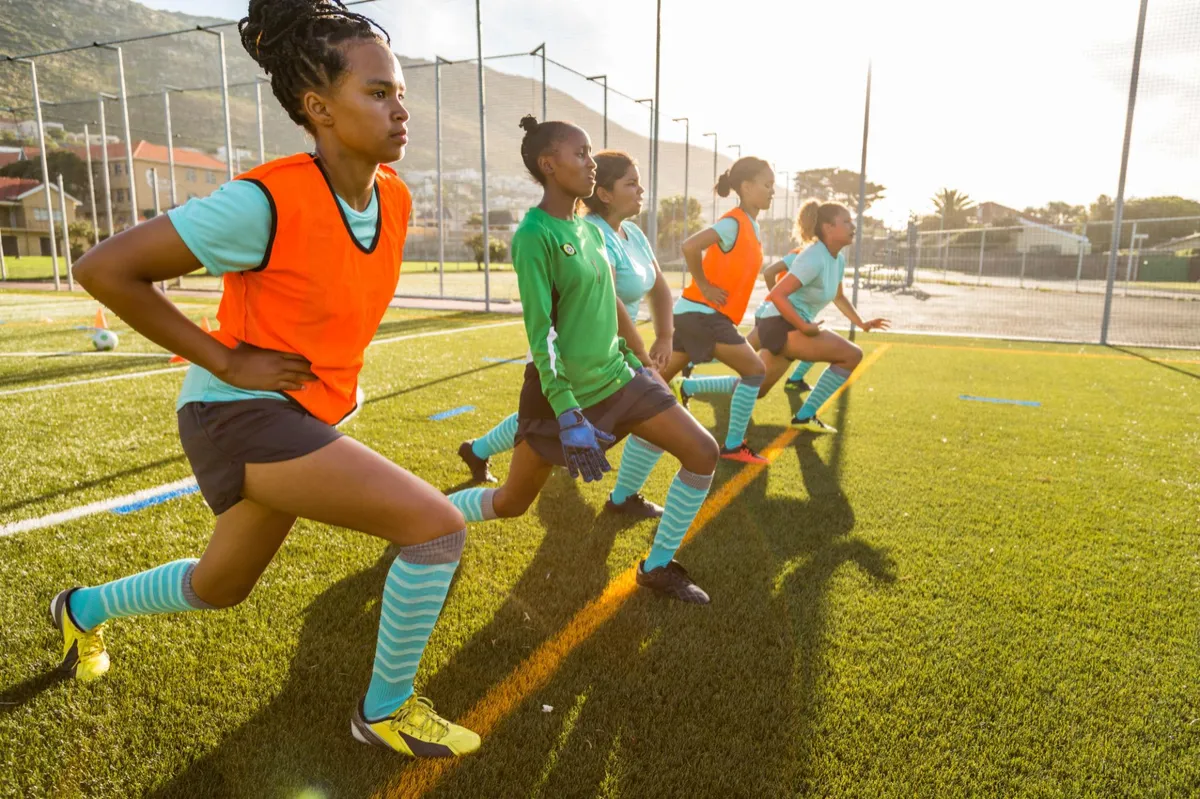
How Parents Can Support Their Young Athlete During the Off-Season
The sporting season has finished. Now what?
Should your child take a break, continue training or start working on areas they found challenging during the season?
The off-season is the period between the end of one sporting season and the start of preparations for the next. It gives young athletes time to recover, reflect on their progress and develop physical skills outside the demands of regular competition.
As a parent, you can help your child make the most of this period without turning every spare day into another training session.
Here are six practical ways to support your young athlete during the off-season.
1. Start With Your Child's Goals
Before organising extra training, take time to reflect on the season that has just finished.
What did your child enjoy most? What did they find challenging? Is there anything they'd like to feel more confident doing when they return to their sport?
These conversations help your child identify what matters to them, rather than feeling pressured to improve everything at once.
You can also speak with their coach to understand which areas may benefit from attention, such as strength, speed, movement control or fitness.
What you can do: Sit down with your child and choose one or two realistic goals for the off-season. If they aren't sure where to start, help them discuss their ideas with their coach.
2. Find the Right Off-Season Training Balance
It's easy to assume that more training means better performance. But adding extra sessions without a clear purpose can leave young athletes tired without necessarily helping them improve.
The off-season can provide an opportunity to develop general fitness, build strength, practise movement skills and address areas that received less attention during competition. The right approach depends on your child's age, experience, sport and existing commitments.
Some athletes may benefit from structured development sessions, while others may need more time to recover before gradually building their training back up.
What you can do: Ask your child's coach which areas to prioritise during the off-season and how additional training can complement their sporting commitments. Aim for a manageable routine with a clear purpose, rather than filling every spare day with exercise.
3. Focus on Development, Not Just Results
During the season, it's easy to measure progress through wins, losses, goals or personal bests. The off-season offers a chance to look beyond competition results and focus on the skills your child is developing.
They might be working on their movement technique, building strength, improving coordination or becoming more confident with challenging skills.
These improvements may not produce immediate changes in competition, but they can help establish a stronger foundation for future sporting participation.
What you can do: Ask questions such as:
"What would you like to improve before your next season?"
"What have you learned during training?"
"What feels easier than it did last season?"
These conversations encourage your child to recognise progress without feeling that every session needs to produce a measurable result.
4. Make Time for Rest and Enjoyment
The off-season shouldn't feel like another competition to win.
After months of training and matches, your child may benefit from time away from the demands of their main sport. Rest, holidays, family time and other interests can all have a place during this period.
Pay attention to how your child is feeling. If they're frequently tired, struggling to stay motivated or losing their enjoyment of sport, it may be worth discussing their training load with their coach.
Taking a break from structured training doesn't mean your child is falling behind. The amount of rest needed will vary depending on their age, schedule and the demands of their sport.
What you can do: Check in with your child about how they're feeling after the season. Be flexible with their routine and give them room to recharge before increasing training again.
5. Prepare Gradually for Pre-Season
As the next sporting season gets closer, the focus can gradually shift towards preparing for the demands of training and competition.
Depending on their sport, this may involve building strength and fitness, improving movement skills or becoming accustomed to more demanding training sessions.
Going straight from a long break into a heavy training schedule can be difficult to manage. A gradual return helps your child build up their training in a more considered way.
What you can do: Find out when pre-season training begins and ask your child's coach what preparation is appropriate. This gives you time to plan a realistic routine rather than trying to squeeze in extra sessions just before training starts.
The goal is to help your child return to their sport feeling prepared, not exhausted before the season even begins.
6. Build Healthy Habits Outside Training
Athletic development doesn't happen only during training sessions. Everyday habits, including sleep, balanced nutrition and recovery, also support a young athlete's ability to train and participate in sport.
The off-season can be a useful time to establish routines without the added pressure of weekly matches and competitions.
It's also an opportunity to help your child take greater responsibility for their development by involving them in setting goals, organising their schedule and understanding the importance of recovery.
What you can do: Start with small, manageable habits. Encourage consistent sleep, balanced meals and adequate rest. Help your child recognise the small steps they take towards their goals.
As your child gets older, involve them more in these decisions so they gradually learn to manage their own preparation.
Your Off-Season Parent Checklist
Use these five actions to support your child between sporting seasons:
Reflect on the past season: Talk about what they enjoyed and what they'd like to improve.
Set realistic goals: Choose one or two areas to focus on.
Speak with their coach: Identify suitable off-season training priorities.
Make recovery a priority: Allow time for rest, family and other interests.
Plan for pre-season: Find out when training resumes and prepare gradually.
Remember, your role isn't to push your child to keep up with others. It's to help them find the right balance between development, recovery and enjoyment.
Help Your Young Athlete Make the Most of the Off-Season
The off-season isn't about doing as much training as possible. It's about giving your child the time, guidance and support they need to recover from the previous season and build towards the next one.
If you're unsure which areas your child should focus on, professional guidance can help you make more informed decisions.
At Inner Athlete, our Quick Start Trial uses movement assessments and fitness testing to identify your child's strengths and areas for development. These insights help guide an individualised program to be created and give parents a clearer understanding of the next steps in their child's athletic development.
Book Your Quick Start Trial to help your young athlete understand what they need to improve, build strength, lower their risk of injury and perform better so they can keep playing the sport they love.

Book A Free Discovery Call
By providing your number you consent to receive marketing/promotional/motification messages from Inner Athlete. Opt-out anytime by replying STOP. Msg & Data rates may apply
Apply Today
Lorem ipsum dolor sit amet, consectetur adipiscing elit, sed do eiusmod
STEP 1
Submit Your Application
Lorem ipsum dolor sit amet, consect adipiscing elit, sed do eiusmod tempor incididunt ut labore et dolore
STEP 2
Go Through The Interview Process
Lorem ipsum dolor sit amet, consect adipiscing elit, sed do eiusmod tempor incididunt ut labore et dolore
STEP 3
Start Coaching
Lorem ipsum dolor sit amet, consect adipiscing elit, sed do eiusmod tempor incididunt ut labore et dolore
Follow Us