
INNER ATHLETE BLOG
Helping Young Athletes Perform Under Pressure: What Parents Need to Know
Watching your child compete can be just as emotional as competing yourself. Every parent wants to see their young athlete perform with confidence, enjoy their sport, and feel proud of their efforts. But when competition nerves begin to take over, it can be difficult to know how best to help.
The good news is that performing well under pressure isn't simply a natural talent—it's a skill that can be developed. With the right preparation, routines, and support, young athletes can learn to manage competition nerves, stay focused, and continue improving over time.
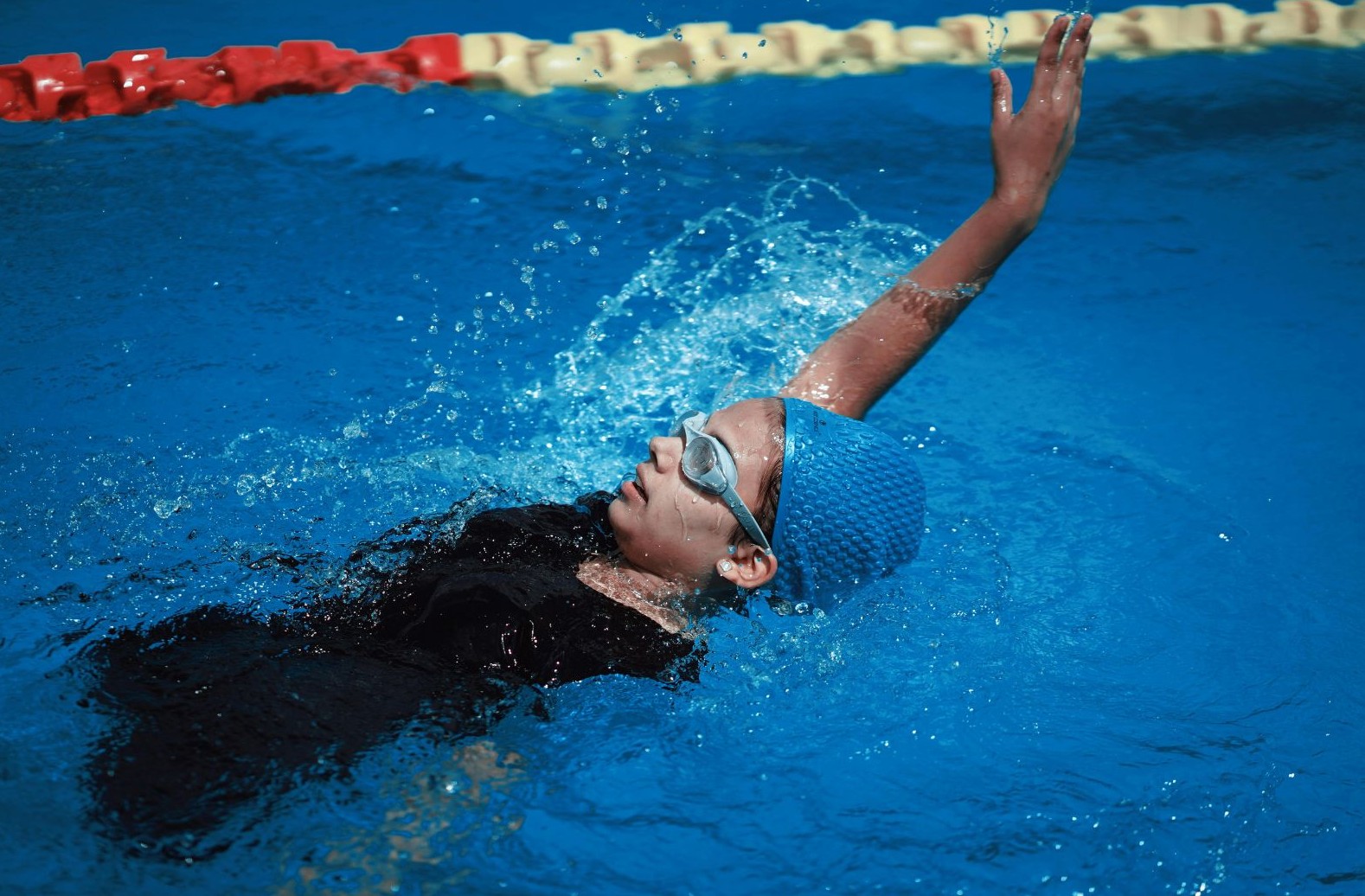
Elite swimmer Felix Dressel de Bruyn experienced this throughout his journey from state-level swimming to competing in the NCAA Division I system in the United States. His experience highlights valuable lessons that can help both parents and young athletes approach competition with greater confidence and perspective.
Confidence Is Built Before Competition
Many people believe confidence comes from winning. In reality, confidence often comes from knowing you've prepared well.
Before competition, it's normal for young athletes to feel nervous. Those nerves don't necessarily disappear as athletes progress to higher levels. Instead, successful athletes learn how to manage them through consistent routines and preparation.
Every young athlete is different. Some may benefit from listening to music before competing, while others prefer quiet time, breathing exercises, or visualising their performance. The goal isn't to copy someone else's routine—it's to find habits that help them feel calm, focused, and ready to perform.
Parents can support this by encouraging routines that help their child feel prepared rather than placing extra emphasis on results.
Help Your Young Athlete Focus on What They Can Control
One of the biggest sources of competition anxiety is worrying about things that cannot be controlled.
Young athletes can't control who they compete against, how others perform, or whether conditions are perfect on the day.
What they can control is their preparation.
Encourage your young athlete to focus on:
Following a consistent pre-competition routine
Eating and hydrating well
Completing their warm-up
Managing their breathing
Trusting the work they've already put into training
When athletes focus on these controllable actions, they spend less time worrying about outcomes and more time performing to the best of their ability.
Every Competition Helps Young Athletes Grow
It's easy to judge a competition by whether your child achieved a personal best or won a medal.
However, long-term athlete development is about much more than results.
Every competition gives young athletes an opportunity to gain experience, practise performing under pressure, and learn something new about themselves.
Some competitions build confidence. Others build resilience. Both are valuable.
Parents can help reinforce this mindset by asking questions that encourage reflection, such as:
What did you enjoy today?
What went well?
What did you learn?
What's one thing you'd like to improve before your next competition?
These conversations help young athletes focus on progress rather than perfection.
Encourage Reflection Instead of Self-Criticism
Disappointment is part of every sporting journey.
After a difficult competition, many young athletes immediately focus on everything they did wrong. While it's important to reflect on performance, constant self-criticism can reduce confidence and make future competitions feel even more stressful.
Instead, encourage your child to look at each competition as a learning opportunity.
Help them identify what they did well, recognise the effort they put in, and choose one or two areas to work on moving forward.
Developing this habit teaches young athletes that mistakes are part of improvement, not signs of failure.
Progress Matters More Than Comparison
It's natural for young athletes to compare themselves with teammates or competitors, especially during competition.
However, constantly measuring themselves against others can distract them from what really matters—their own development.
The athletes who continue improving over the long term are often those who focus on becoming a little better each day rather than constantly worrying about where they rank against everyone else.
Parents can reinforce this by celebrating improvements in effort, confidence, decision-making, and consistency, not just medals or personal bests.
Over time, this creates a healthier relationship with competition and helps young athletes enjoy their sport for longer.
How Parents Can Help Their Young Athlete Build Confidence
Parents play one of the biggest roles in shaping how young athletes experience competition.
The most valuable support often comes from creating an environment where preparation, learning, and personal growth are valued just as much as results.
You can help your young athlete by:
Encouraging consistent pre-competition routines
Praising preparation, effort, and improvement
Helping them reflect after competitions
Reinforcing positive self-talk
Celebrating progress beyond results alone
Focusing on long-term development rather than short-term success
Confidence isn't built in one race, one game, or one season. It grows through consistent preparation, supportive coaching, and positive experiences over time.
Help Your Young Athlete Build Confidence for Sport and Life
At Inner Athlete, we believe every young athlete deserves the opportunity to develop the physical and mental skills needed to thrive in sport.
Through individualised strength and conditioning, movement coaching, and long-term athletic development, we help young athletes build confidence, improve performance, and reduce their risk of injury.
Ready to support your young athlete's development?
Book the Quick Start Trial today:
https://inner-athlete.com.au/quick-start-trial
Download our free parent guide, From Frustration to Confidence – A Parent's Guide to Helping Young Athletes Get Stronger, Faster and More Confident, Safely and Efficiently:
https://inner-athlete.com.au/from-frustration-to-confidence-790716

Book A Free Discovery Call
By providing your number you consent to receive marketing/promotional/motification messages from Inner Athlete. Opt-out anytime by replying STOP. Msg & Data rates may apply
Apply Today
Lorem ipsum dolor sit amet, consectetur adipiscing elit, sed do eiusmod
STEP 1
Submit Your Application
Lorem ipsum dolor sit amet, consect adipiscing elit, sed do eiusmod tempor incididunt ut labore et dolore
STEP 2
Go Through The Interview Process
Lorem ipsum dolor sit amet, consect adipiscing elit, sed do eiusmod tempor incididunt ut labore et dolore
STEP 3
Start Coaching
Lorem ipsum dolor sit amet, consect adipiscing elit, sed do eiusmod tempor incididunt ut labore et dolore
Follow Us