Your Child Is Training Hard, But Is It Helping Them Thrive or Wearing Them Down?
Watching your child work hard at sport without seeing the progress they hoped for can be frustrating. When teammates add extra sessions or commit to one sport year-round, you might worry your child is falling behind.
But a busier schedule doesn’t automatically mean better development.
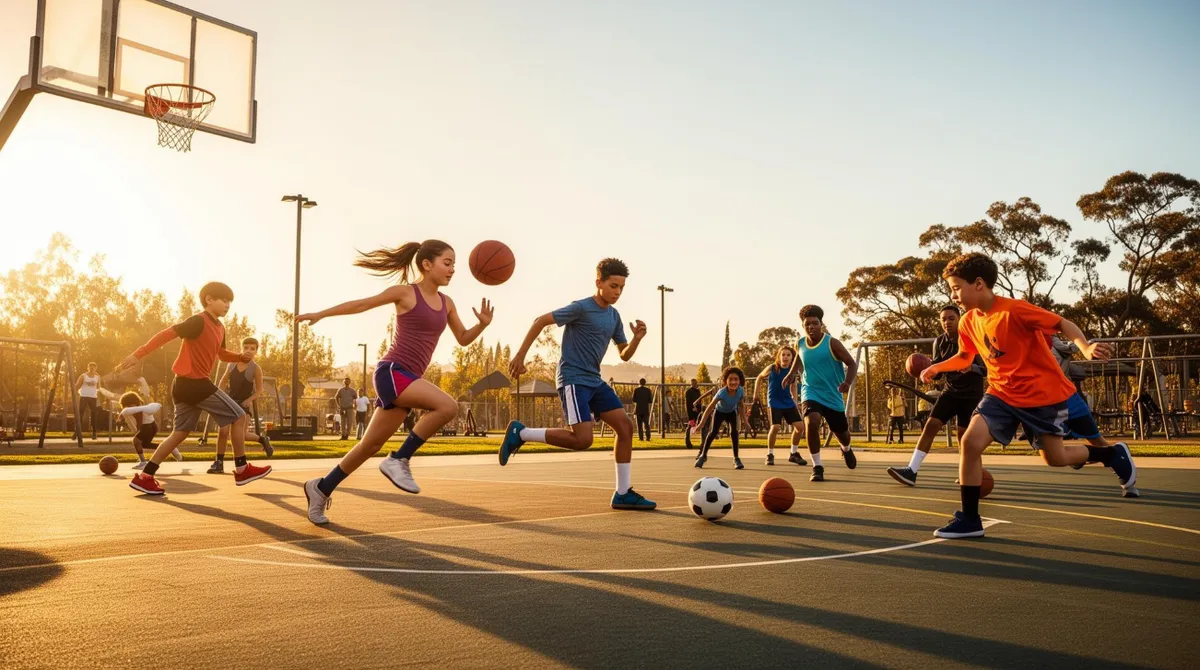
Playing different sports can help young athletes build movement skills, discover new strengths and enjoy being active. Combined with appropriate strength training and recovery, variety can support their performance, confidence and long-term physical development.
Build skills that carry across sports
Your child’s sporting development involves more than perfecting a kick, stroke or shot. Running, jumping, landing, balancing and changing direction all contribute to how they move and perform.
Different activities give them opportunities to practise these skills in different ways. Basketball challenges coordination and decision-making. Athletics develops running and jumping skills. Gymnastics encourages balance and body awareness.
These experiences can give your child more movement options to draw on in their favourite sport.
Try this: Encourage an activity they’re curious about, whether it’s a school sport, backyard game or occasional recreational session. It doesn’t need to become another competitive commitment.
Support their passion without rushing specialisation
If your child loves one sport, you don’t need to steer them away from it. However, specialising early isn’t a guarantee of future success.
Repeating similar activities year-round can leave fewer opportunities to develop other physical skills. It can also increase repetitive training demands, particularly when school, club and representative sessions overlap.
Variety can broaden their development, but adding another sport to an already packed week may simply increase fatigue.
Try this: Look for opportunities to swap activities across seasons. Before adding training, consider the whole week with your child and their coaches.
Build confidence through enjoyment
When selection, rankings and personal bests dominate the conversation, young athletes can start measuring their worth through results.
Trying different activities gives your child other ways to experience progress. They might discover they’re a confident climber, enjoy learning a new skill or feel proud of tackling something unfamiliar.
Free play matters too. Riding bikes, shooting hoops or making up games lets children explore movement without every effort being assessed.
Try this: Ask, “What did you enjoy today?” alongside questions about performance. Leave room for activity they choose themselves.
Make recovery part of injury resilience
Developing strength, coordination and control can help young athletes better manage sporting demands. However, playing multiple sports doesn’t make a child injury-proof.
Their total workload, growth, sleep and recovery still matter. Persistent soreness, unusual tiredness or declining enthusiasm deserve attention.
Try this: Keep a shared weekly calendar, protect downtime and speak with their coach or treating health professional about ongoing pain.
Give your child foundations for lasting progress
Varied movement, enjoyable training and adequate recovery can support a stronger, more confident young athlete.
At Inner Athlete Performance, we specialise in youth athletic development, helping young people build physical foundations through individualised strength and conditioning.
