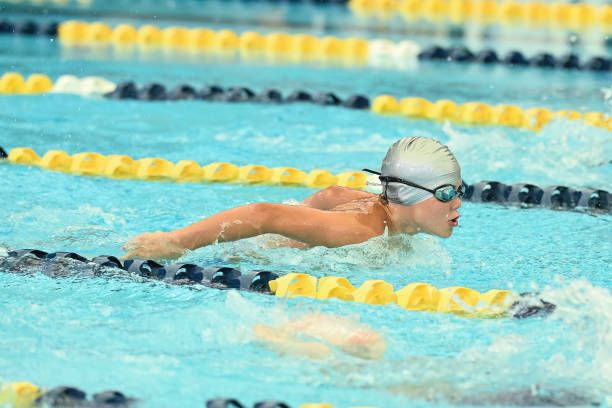
How to Develop a Successful Young Athlete | Lessons From an Elite Swimmer
When parents see a young athlete competing at an elite level, it can be easy to assume they were always talented, motivated and destined for success.
However, the journey of elite swimmer Felix Dressel de Bruyn shows that youth athlete development is rarely that simple.
Felix progressed from a young swimmer who did not initially take the sport seriously to competing against some of Australia’s best swimmers and earning an opportunity with the University of Kentucky’s NCAA Division I swimming program.
His experience provides valuable lessons for parents who want to help their child become stronger, more confident and better prepared for long-term sporting success.
Motivation can grow over time
Not every young athlete immediately loves their sport or understands their potential.
Felix initially participated in swimming because his parents encouraged him to continue. Over time, his motivation grew through competition, friendships and the desire to improve.
For parents, this is an important reminder that young athletes do not always need to be highly driven from the beginning. Their enjoyment and commitment can develop as they gain confidence, build skills and feel more connected to their sport.
Positive experiences, supportive coaching and steady progress can help a child take greater ownership of their athletic development.
The right coach can help a young athlete believe in themselves
A major turning point in Felix’s journey came when a coach recognised his potential before Felix could see it himself.
That belief helped him understand that his swimming could lead somewhere meaningful.
Quality sports coaching for young athletes is about more than designing a training program. A good coach helps young athletes understand their strengths, identify areas for improvement and build confidence through consistent progress.
The right coach can also teach young athletes how to listen, ask questions, respond to feedback and become more coachable.
These skills are essential for long-term athlete development.
Individualised training is more effective than a general program
Felix also learned that simply lifting heavier weights was not enough to improve his performance in the pool.
Every young athlete has a different body, injury history, training background and stage of physical development. A general gym program may not address the specific qualities they need for their sport.
Individualised strength and conditioning for young athletes can help improve:
Strength, speed and power
Mobility and movement quality
Coordination and body control
Injury resilience
Confidence in training and competition
Long-term athletic performance
For swimmers, a customised program may focus on improving starts, turns, kicking power, shoulder stability and the ability to maintain an efficient position in the water.
This is why youth strength and conditioning should be carefully planned around the athlete, their sport and their long-term goals.
Young athletes need to train smart as well as hard
Hard work matters, but training harder is not always the answer.
Young athletes also need to understand why they are completing each exercise and how it will help their sporting performance.
The most successful athletes learn to focus on their own development rather than constantly comparing themselves with others. They reflect on their performances, listen to their coaches and identify what they need to improve next.
This approach helps young athletes build sustainable confidence and reduces the pressure to chase short-term results.
How parents can support young athletes
Parents play an important role in helping young athletes develop.
The best support often involves encouraging consistency, celebrating progress and helping children focus on the process rather than only wins, selections or personal bests.
Your child does not need to be an elite athlete to benefit from professional athletic development for teenagers.
With the right coaching and an individualised strength and conditioning program, they can move better, become stronger, reduce their risk of injury and develop greater confidence in their sport.
Take the next step with Inner Athlete
Ready to support your young athlete’s long-term development?
Book the Quick Start Trial today:
https://inner-athlete.com.au/quick-start-trial
Download our free parent guide, From Frustration to Confidence – A Parent’s Guide to Helping Young Athletes Get Stronger, Faster and More Confident, Safely and Efficiently:
https://inner-athlete.com.au/from-frustration-to-confidence-790716
